Our main job
Stump grinding and removal in Preston
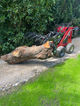
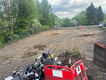
Unwanted tree stumps ground out below the surface across Lancashire, the North West and further afield, with a smaller machine for gardens a big one can’t reach.
Lancashire North West Further afield

- Family-run since 2021Richie and the family, based in Preston
- 5.0 on GoogleFrom 101 customer reviews
- Narrow-access machinesA smaller grinder for tight gardens
- Quick quotesOften the same day you ask
What it is
The quick way to get rid of a stump.
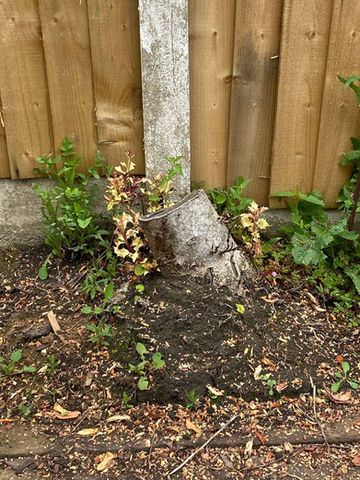
When a tree comes down, the stump usually stays behind. A stump grinder grinds it down below the surface into wood mulch, so the ground can be used again without digging the whole thing out.
Why an old stump is worth dealing with
- AppearanceA tidier, finished garden
- SafetyNo trip hazard, nothing to mow around
- New landscapingRoom for lawn, beds or paving
- Building workGround cleared for an extension or patio

The process
How it works.
Three stages, with the details agreed for your garden.
-
Send your enquiry
Use the quote form to send your enquiry, your postcode, how many stumps and any access issues for the machine, such as narrow gateways, steps, raised flower beds and steep inclines. Richie prices it and picks the most suitable machine.
-
Grinding it out
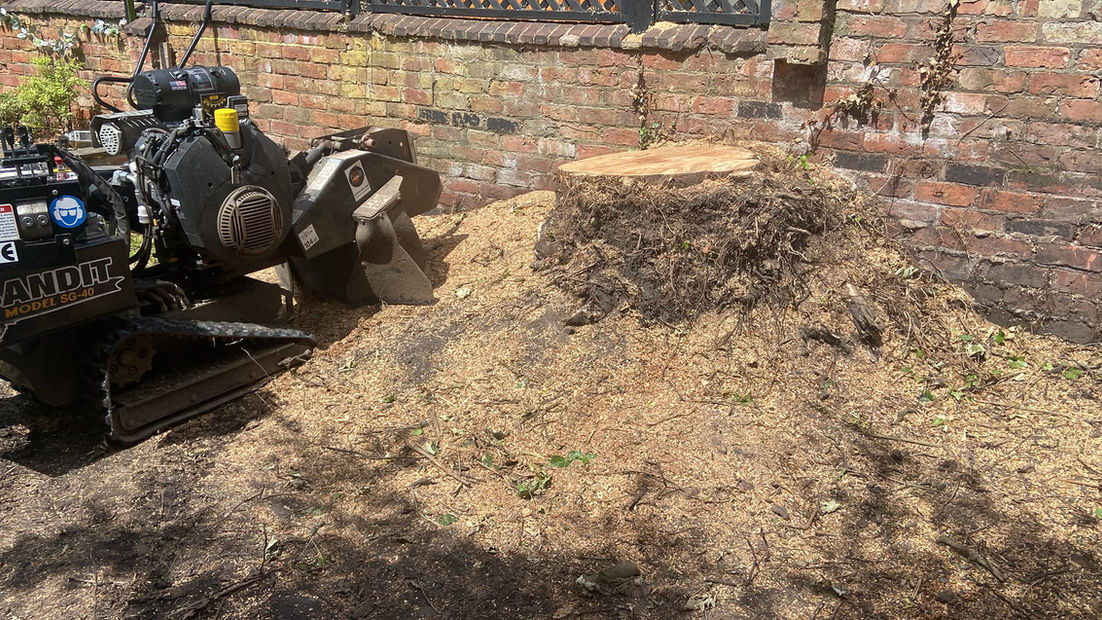
A rotating cutting wheel grinds the stump down below ground level. How deep depends on the stump and what the area will be used for next.
-
Refilling the hole
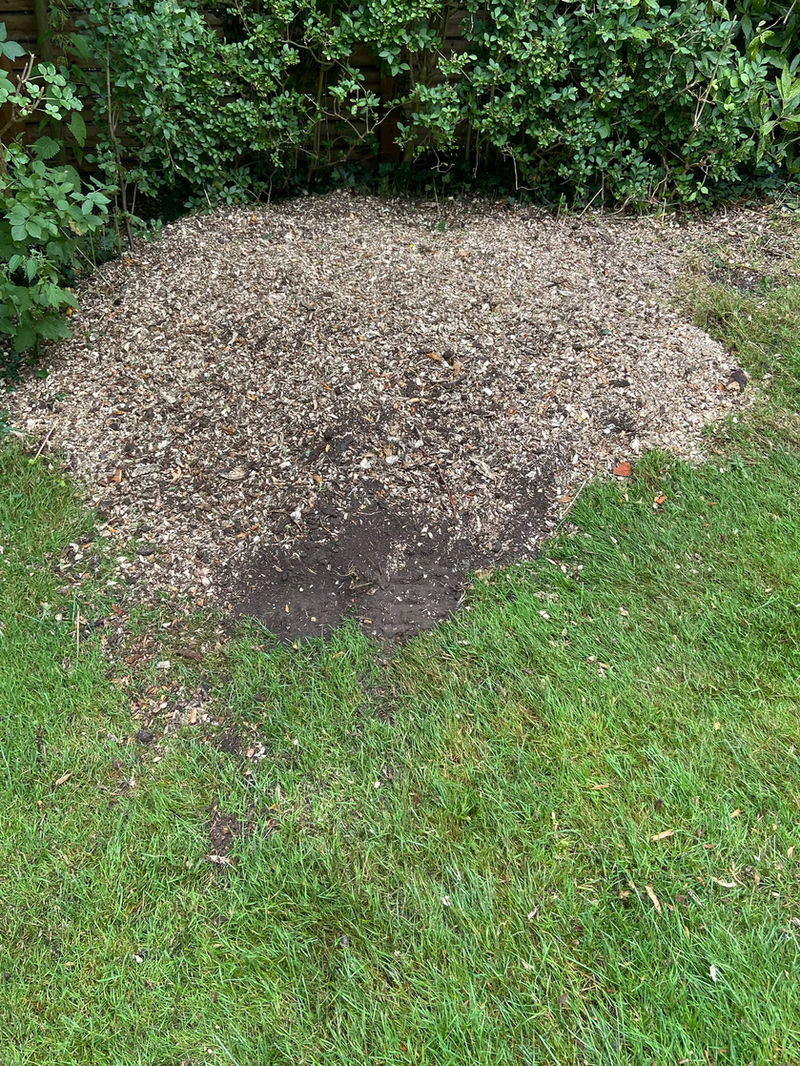
The mulch is left on site and used to refill the hole where the stump has been. In time it decays to good compost.
Worth knowing
Access. Richie has a smaller grinder for tight gates and paths, so measure the narrowest point and add it to the form.
Roots. Grinding deals with the stump itself. It doesn’t pull every root out of the ground.
The hole. The hole is filled with the mulch, which decays to compost.
What does stump grinding involve?
What gets ground away, how deep it goes, and what happens to the roots.
Flush cut
The stump is ground down flush with the surrounding ground, then on below it.
Mounding
The raised mound of roots and soil around the base is ground away too, so the area ends up level.
Knuckles
Root knuckles poking up through the lawn can be ground out as well. Point them out when you ask for a quote.
Grinding depth
Usually 100–150mm (4–6in) below ground level, so turf or plants can grow back. Deeper if the area needs it.
How to Measure a Tree Stump
Three simple measurements to help us provide an accurate quote.
Stump width
Measure across the widest point at ground level, including the flared base.
Stump height
Measure how high the stump stands above ground level.
Surface roots
Note any visible surface roots extending from the stump.
Grind or dig?
Why grind a stump instead of digging it out?
A stump left in the ground keeps causing small problems. Grinding deals with them without turning the garden upside down.
A stump left in place
- Takes up space you could be using
- Gets in the way of mowing, paths and planting
- Can be a trip hazard
- Leaves the garden looking unfinished
- Decays, and can ooze smelly sap and attract flies
Once it’s ground out
- The space is yours to use again
- The stump is gone below the surface
- A tidier, finished garden
- Ground ready for turf, planting or paving
- No digging out the whole root plate, so far less mess around it
- Faster and less mess than digging, with no dug-out stump left to get rid of


Wood chips
What happens to the chippings?
Grinding leaves a pile of fresh chippings. You decide what happens to them.